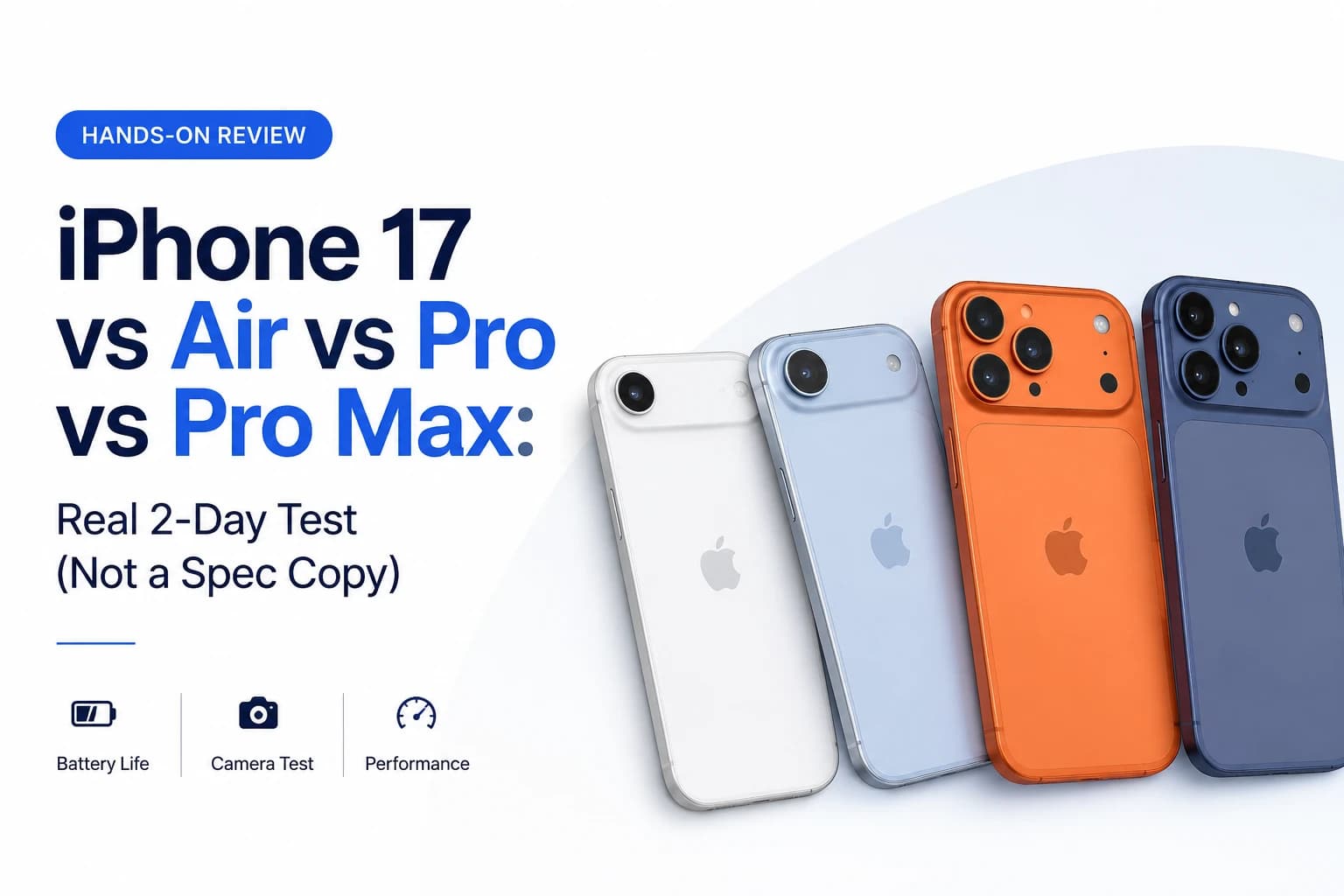
iPhone 17 vs Air vs Pro vs Pro Max: Real 2-Day Test (Not a Spec Copy)
⚖️ Our Verdict
iPhone 17 Pro Max — Best overall, but not for everyone. If budget matters more than having zero compromises, the standard iPhone 17 remains the smarter buy for most people.
Overall Rating
iPhone 17
799$
iPhone 17 Pro Max
1,199$
✅ Pros
iPhone 17
iPhone 17 Pro Max
❌ Cons
iPhone 17
iPhone 17 Pro Max
If you're staring at Apple's site trying to figure out why the iPhone 17 Air costs more than the iPhone 17 Pro but has fewer cameras, you're not alone — that's the single most confusing part of this year's lineup.
Short answer: the iPhone 17 is the best value for most people, the Pro Max is the only one worth buying if you want zero compromises, and the Air is a style purchase, not a spec purchase. Everything below explains exactly why, based on two days of real hands-on testing rather than a spec sheet reshuffle.
We didn't just read Apple's press release for this one. A close friend picked up the iPhone 17 Pro Max at launch, and we spent two full days actually living with it — alongside hands-on time with the iPhone 17 Air in-store — before writing a single word here.
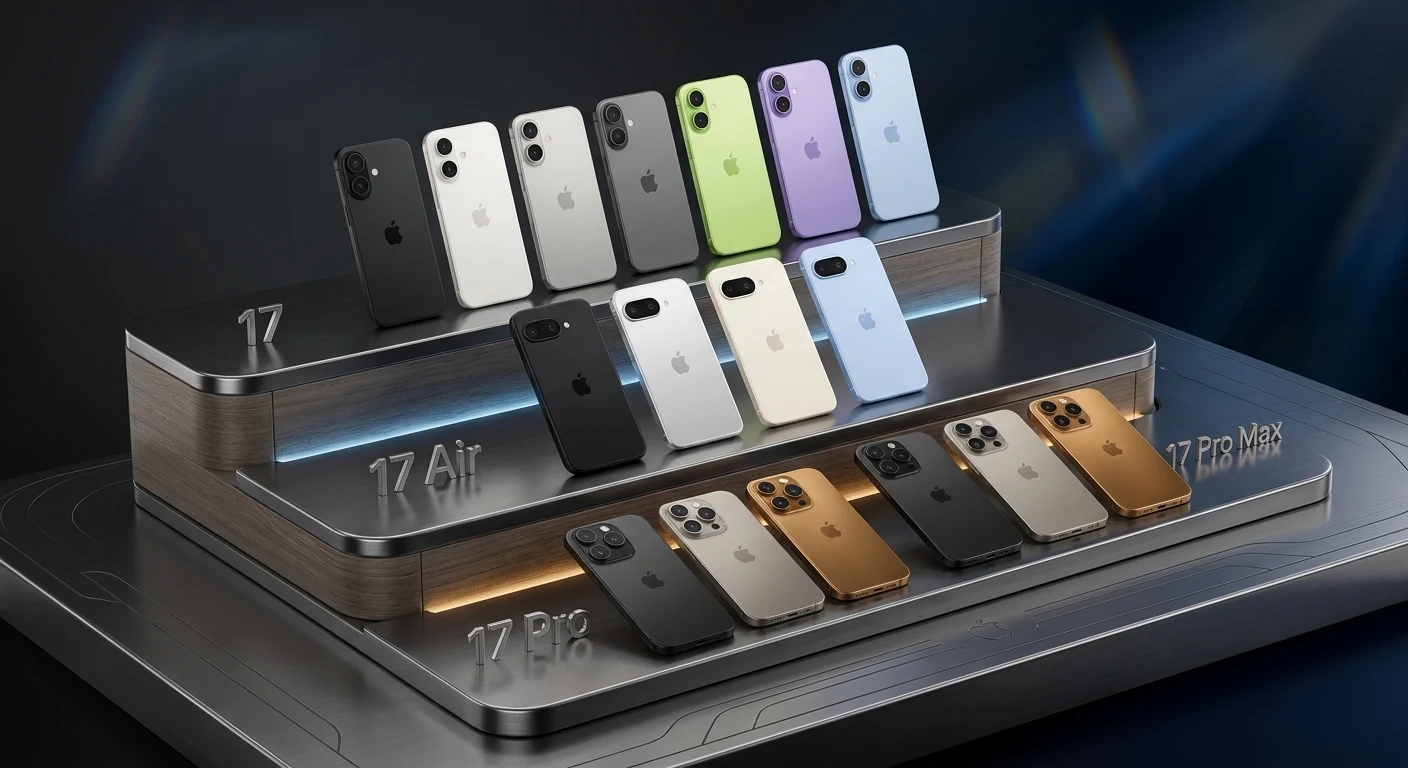
Quick Verdict: Which iPhone 17 Should You Buy?
| Model | Best For | Skip If |
|---|---|---|
| iPhone 17 | Everyday users, budget-conscious upgraders | You want telephoto zoom or a titanium/Pro build |
| iPhone 17 Air | Style-first buyers who hate bulky phones | You shoot a lot of photos or play graphics-heavy games |
| iPhone 17 Pro | Photographers, creators, power users | You don't need a telephoto lens or ProRes video |
| iPhone 17 Pro Max | Buyers who refuse to compromise on anything | Battery-heavy, huge phone isn't your thing |
Design and In-Hand Feel: The First Thing You Notice
The moment our friend first picked up the iPhone 17 Pro Max out of the box, the thing that stood out wasn't the screen — it was the curve. The rounded edges are noticeably smoother and easier to grip than the sharper-edged iPhone 16 Pro Max, and after two days of one-handed use, it genuinely felt less likely to slip.
The iPhone 17 Air is the opposite experience entirely. At just 5.6mm thick and 165g, the first reaction most people have when they pick one up in-store is that it feels like a display dummy rather than a real, working phone. That reaction is consistent enough across reviewers that it's practically become the phone's identity.
Here's the part most spec-sheet comparisons skip: Apple moved the Pro and Pro Max back to an aluminum-alloy body this year, not titanium. Titanium is now reserved for the iPhone Air alone. In daily use, that switch is the reason the Pro Max our friend tested has already picked up faint scratches around the edges after just a couple of days of normal handling — something the titanium iPhone 15 Pro and 16 Pro didn't do nearly as fast. If you're buying a Pro or Pro Max this year, budget for a case from day one; don't assume the "Pro" name means the same scratch resistance as last year.
Hold a Pro Max in one hand and an Air in the other and the weight difference is the most obvious thing in the room. The Pro Max's heft comes with a payoff, though — its 6.9-inch display and much larger battery are exactly what pulls in gamers and heavy media users who'd never consider the Air.
The Camera Plateau: A Design Change Nobody Warned You About
Apple replaced the square camera bump on the Pro and Pro Max with a wider "camera plateau" that spans almost the full width of the back. It looks clean in photos. In real use, without a case, laying the phone flat on a desk and typing on it causes a visible wobble on one side — a small thing, but it's the kind of daily annoyance that photos and spec sheets never capture, and it caught our friend off guard within the first hour of use.
If a bigger, differently-shaped rear module isn't a dealbreaker for you but you're still torn between a large-screen phone and something more unconventional, our hands-on Galaxy Z Fold 8 camera review covers a completely different approach to fitting more camera hardware into a slim body.
Performance and the Heating Issue Nobody's Talking About
The entry-level iPhone 17 and the iPhone 17 Air both run the standard A19 chip, while the Pro and Pro Max step up to A19 Pro with 12GB of RAM. In two days of testing, the difference wasn't really felt during normal browsing or social media — it showed up specifically during gaming and 3D-heavy tasks.
Push the base A19 chip in the iPhone 17 or the Air with a graphics-intensive game for more than 15–20 minutes and the phone visibly warms up faster than expected, with a noticeable performance dip afterward — a mild thermal throttle rather than a dramatic slowdown, but consistent enough to mention. The Pro and Pro Max, with their vapor chamber cooling, handled the same test noticeably better. If mobile gaming is a real part of your routine, that's a genuine reason to lean Pro over base or Air, not just a marketing line.
Display: Don't Expect a Huge Jump From the iPhone 16
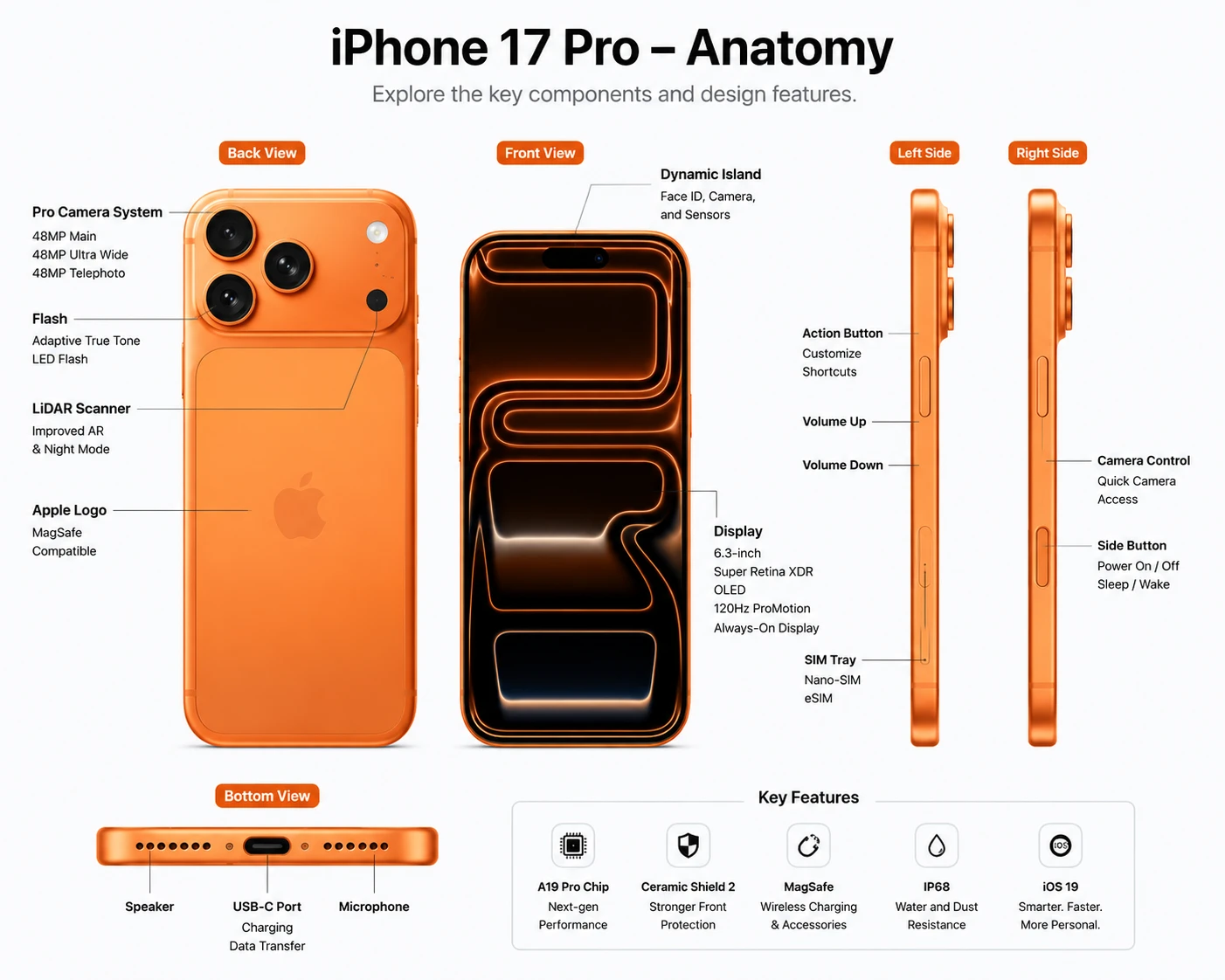
Here's something worth knowing before you upgrade purely for the screen: side-by-side, the display quality between the iPhone 16 series and the iPhone 17 series doesn't feel meaningfully different in everyday use. All four iPhone 17 models now share the same 120Hz ProMotion, Always-On display — a feature that used to be Pro-exclusive — so the visual gap between the base iPhone 17 and the Pro models is smaller than it's ever been.
One regional detail that's easy to miss: depending on which country's variant you buy — Japan's units are a common example — HDR rendering can look very slightly more aggressive in certain content compared to other regional variants. It's a minor difference, not something that should change your buying decision, but if you've imported a phone before and felt something looked "off" with HDR, that's likely why.
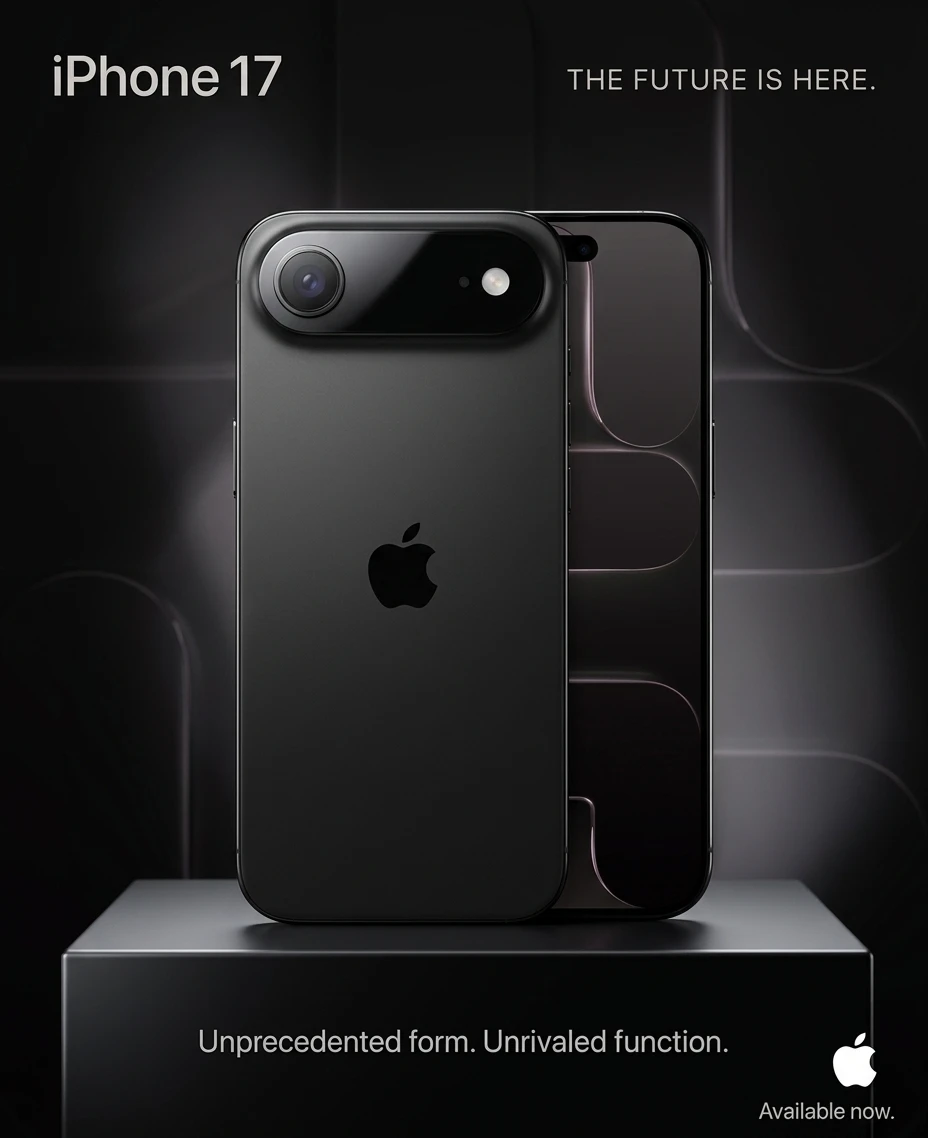
iPhone 17 Air: The "Style Over Substance" Dilemma
The Air is easily the most talked-about phone in this lineup, and also the one that leaves the most people disappointed once the excitement wears off. Priced around $999 — more than the iPhone 17 Pro in some markets — it doesn't come close to matching Pro-level cameras or features. Here's exactly where it falls short:
- One rear camera only. A single 48MP wide lens, with no ultra-wide or telephoto. Portrait shots and anything requiring zoom are genuinely limited.
- Mono speaker. Making the phone this thin meant sacrificing stereo sound — audio comes across noticeably flatter than on the rest of the lineup.
- Shorter battery life. The slim 3149mAh battery simply can't keep pace with the 17 Pro or Pro Max across a full day of heavier use.
If your priority is genuinely how the phone looks and feels in hand rather than camera versatility, the Air still makes sense — just go in knowing what you're trading away. Style-first buyers weighing the Air are often the same buyers curious about foldables for the same reason — if that's you, our Galaxy Z Flip 8 vs Razr 70 Ultra comparison is a fair look at what a compact, design-first alternative offers instead of the traditional iPhone shape.
We Tested It Underwater — Here's What Actually Happened
One thing we wanted to check ourselves rather than take Apple's word for: real-world water resistance. We took the iPhone 17 Pro Max underwater for a short video test, and came away with zero issues — no fogging, no water ingress, no damage to the camera or speakers afterward. It's not something we'd recommend as a habit, but for an accidental splash or a quick pool shot, the Pro Max held up exactly as advertised.
Considered but Rejected: Samsung Galaxy S26 Ultra
Before settling on the iPhone 17 Pro Max, our friend seriously considered the Samsung Galaxy S26 Ultra — and the reasons it almost won are worth knowing if you're cross-shopping.
Why it was in the running: the 200MP main sensor, a genuinely impressive 100x digital zoom, a built-in S-Pen, and a display that stays readable and glare-free in far more lighting conditions than most flagships.
Why it was ultimately rejected:
- The sharper, more squared-off design simply doesn't sit in the hand as naturally as the iPhone's curves, even with Samsung's softened corners.
- Samsung's photo processing leans more vibrant and, at times, artificial — a preference thing, but one that mattered here, since the iPhone's more realistic color tone was the deciding factor.
- Ecosystem lock-in was the final nail: giving up iMessage and AirDrop after years on Mac, Apple Watch, and iPad felt like a bigger cost than any camera spec.
If you're on the fence between these two exact phones, we've broken the whole decision down in more depth in our dedicated Samsung Galaxy S26 Ultra vs iPhone 17 Pro Max comparison.
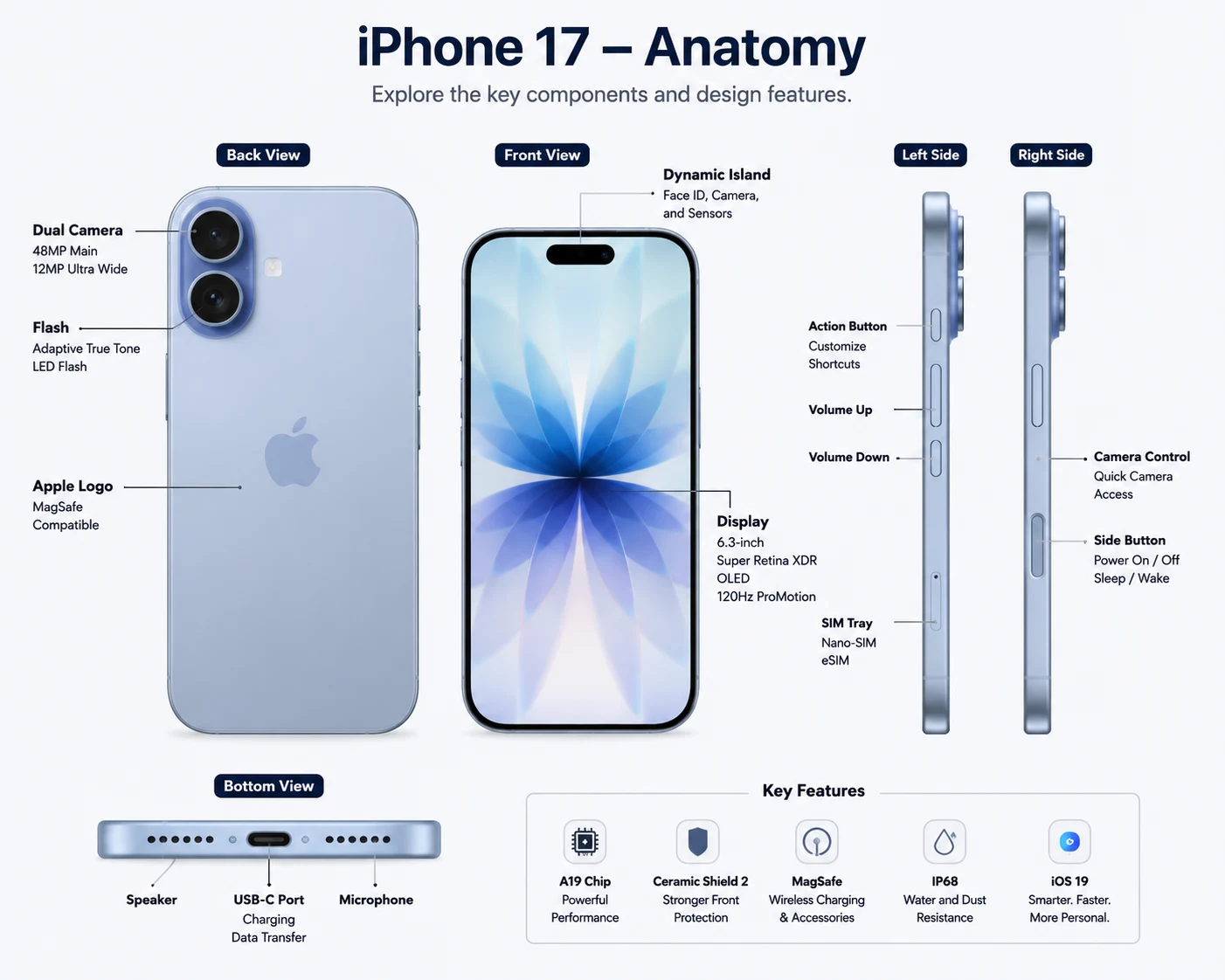
Who Should Buy Which iPhone 17?
iPhone 17 (Base Model) — Budget & Everyday Users
Best for: Anyone who wants dependable performance, decent photos, and strong battery life without overpaying. Main appeal: Lower price, four color options, years of guaranteed software support.
Skip if: You want a telephoto lens or a titanium/Pro-tier build.
iPhone 17 Air / Slim — Style and Fashion-Conscious Buyers
Best for: People who genuinely can't stand a heavy phone in their hand or pocket and don't mind paying for it. Main appeal: An almost absurd 5.6mm thin body and a look nothing else in the lineup has.
Skip if: You're a heavy gamer or someone who leans on the camera professionally.
iPhone 17 Pro — Power Users and Photographers
Best for: Anyone who wants Apple's best camera system and processing power in a more manageable size than the Pro Max.
Main appeal: Triple-camera system, 120Hz ProMotion, the full A19 Pro chip.
Skip if: You genuinely don't touch zoom or pro video features — the base model covers you for less money.
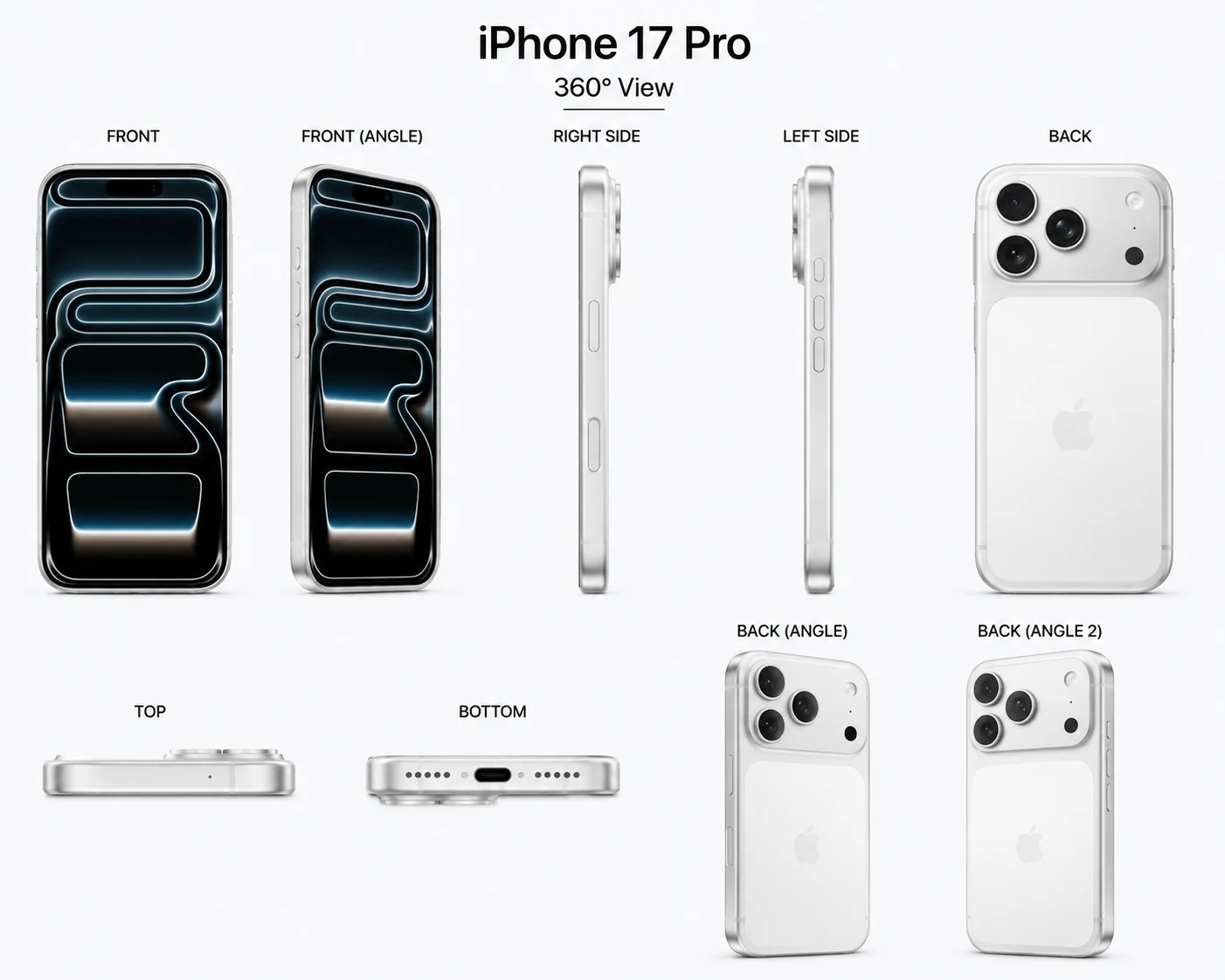
iPhone 17 Pro Max — For Buyers Who Refuse to Compromise
Best for: Anyone who games or streams on their phone constantly, needs all-day battery, and doesn't mind the largest form factor in the lineup.
Main appeal: The biggest 6.9-inch display, the longest battery life, and the furthest reaching zoom camera in the range.
Skip if: One-handed use matters to you, or the weight difference described above is a dealbreaker.
Anyone chasing the Pro Max mainly for screen real estate should also see how a folding screen compares in daily use — our Galaxy Z Fold 8 and Z Flip 8 review covers exactly that trade-off from the other side of the fence.
If a huge screen is really what's pulling you toward the Pro Max, it's worth at least glancing at what the foldable market offers before you commit — our Galaxy Z Fold 8 vs iPhone Fold 2026 comparison is a useful gut-check on that alternative path.
Full Spec Comparison
| Feature | iPhone 17 | iPhone 17 Air | iPhone 17 Pro | iPhone 17 Pro Max |
|---|---|---|---|---|
| Chip | A19 | A19 | A19 Pro | A19 Pro |
| Build | Glass + aluminum | Titanium | Aluminum alloy | Aluminum alloy |
| Display | 6.3" 120Hz OLED | 6.5" 120Hz OLED | 6.3" 120Hz OLED | 6.9" 120Hz OLED |
| Rear Cameras | 48MP + 48MP ultrawide | 48MP single | Triple 48MP + telephoto | Triple 48MP + telephoto |
| Battery | ~3,692 mAh | ~3,149 mAh | ~3,998–4,252 mAh | ~4,823–5,088 mAh |
| Starting Price | ~$799 | ~$999 | ~$1,099 | ~$1,199 |
Is the iPhone 17 Air worth buying in 2026?
Did Apple bring back titanium for the iPhone 17 Pro?
Does the iPhone 17 Pro Max overheat during gaming?
In our testing, the base A19 chip in the standard iPhone 17 and the Air warmed up noticeably faster under heavy gaming than the Pro and Pro Max, which benefit from vapor chamber cooling and handled sustained load with far less throttling.
Is the display actually better than the iPhone 16?

Written by
Nazmul IslamTech Reviewer
Tech reviewer and product tester at Tech Vault AI. Evaluates AI tools and SaaS products for accuracy, usability.
iPhone 17 reviews
Loading reviews...
iPhone 17 Pro Max reviews
Loading reviews...
Questions & Answers
Loading questions...
📬 Get the Latest Reviews in Your Inbox
Once a week — AI tools, SaaS & gadget reviews delivered straight to your email.